
I recently assigned a project in my Project Lead the Way Biomedical Innovation course and was blown away by the quality of the project submissions. I created the project with the intent that students should be exploring one of the body systems (circulatory, cardiovascular, digestive, endocrine, immune, muscular, etc.) and become an expert on it to be able to communicate it to a general population. As future physicians, they’re going to be understanding science at a complex level, but also be required to communicate it in a way that is accessible and understandable for their patients. As a result, the project focused on developing the students (1) synthesis of key information and (2) communication of scientific principles.
The two focus areas and learning targets of the project were non-negotiable, however students were given the option to communicate the project in a way that they felt would best communicate the science of the body system in the way that they thought would be best.
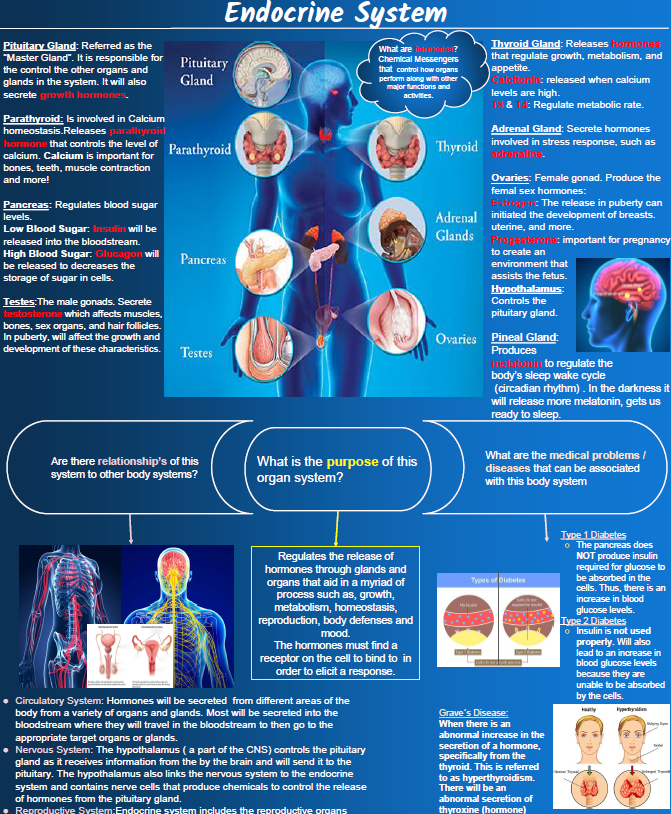
The results of the assignments were great! It was awesome to see so much diversity in how students chose to communicate their knowledge of their assigned body system, but also be creative in the process. I noticed that a lot of their decisions were influenced by their prior knowledge. Some students decided to design poster models based on the ones that they’ve seen and experienced in their doctor’s visits, while others decided to draw and design books to teach their understanding of the content in the form of a children’s or comic book. At the same time, they expressed that they found increased enjoyment in learning through the course of this project in comparison to previous projects that required a strict project type. The content and rigor was supplemented with a write up of the body system, in addition to the creative portion. While this may not work for all types of projects, I will definitely continue trying to implement new teaching practices and strategies in my courses.
Here’s some of the amazing student work below! (Hyperlinked work or click on buttons below)



 Daniel K Lieu, Ph.D.
Leave a comment